
Communicating clearly at the British Pig & Poultry Fair
13th May 2026
Pig & Poultry Fair
Pig and poultry producers often feel targeted by animal activists, despite striving for the highest animal welfare. So what can the industry do to protect against covert operations and communicate their positive stories to the general public?
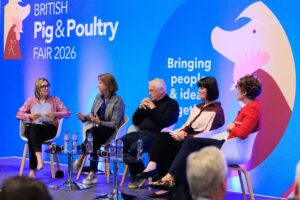
A couple of seminars at the British Pig & Poultry Fair tackled this very issue on 13-14 May, bringing together farmers, editors and communication experts in the pig and poultry sectors.
First and foremost, it’s vital to provide the highest welfare standards possible, and ensure staff buy in to a high welfare ethos. “Tell your workers that they are on camera 24/7,” warns Paul Kelly at Kelly Turkey Breeders. “But we have to accept that things can be ugly on farm, from feather pecking to killing and plucking – we have to do a better job of educating consumers about the realities of farming.”
If activists do infiltrate your farm and threaten an exposé, the first thing to do is acknowledge the potential issue, state that you take animal welfare extremely seriously, and that you’re investigating, says Amy Jackson at Oxtale Communications. “Saying nothing is a common mistake – if there isn’t any information forthcoming people will create their own information. People just want to know that you’re on it – that buys you time to ensure that what you then communicate is right.”
Red Tractor and the sector organisations will all help with crafting a response, and it’s important to take professional advice, says Jo Miller at Red Tractor. “Have one point of contact and ensure everyone in the business is saying the same thing, or it calls your credibility into question.”
It’s also essential not to engage with the activists, warns Mr Kelly. Don’t invite them to a tour of your farm in the hope you can convince them it’s perfectly run – they will likely film covertly and then use the footage in different ways. “Instead, engage with journalists and consumers – we’re opening up our farms even more this year. If we’re not willing to share what we do with consumers then we have to question why.”
Farmers are the second most trusted profession after nurses, so it’s important to remember that activists are just a vocal minority. “I know people can be reluctant to put their heads above the parapet, but it’s about playing to your strengths,” says Ms Jackson. If you’re great at social media videos, do that, if not, write for the parish magazine, or offer farm walks, for example. “Just do what you’re comfortable with.”
Irish pig producer Shane McAuliffe says social media has improved his communication with consumers and is encouraging future talent into the industry. “Last year I started taking TikTok a bit more seriously. I’ve been picking a topic that’s slightly complex, simplifying it and condensing it into a one-minute video,” he explains.
Topics covered include enrichment and welfare, explaining modern pig production in an accessible way. He also regularly welcomes university groups onto the farm. “I prefer to have second year students before they’ve chosen their placement, to encourage them to look into the pig sector.”
In essence, it’s about being proactive rather than reactive, says Ms Jackson. “We tend to be quite defensive, because we’re under attack – we are responding to what other people are raising. We’re not leading the agenda.”
Jo Hilditch, from Whittern Farms, Herefordshire, agrees. “We should be doing a lot more to promote how good we are. I’m proud to show people what we do.”
- The British Pig and Poultry Fair took place on 13-14 May at the NEC, Birmingham. For more information visit www.pigandpoultry.org.uk.
- A selection of Fair images are available to download from the PRESS page of the website